Birds in This Story
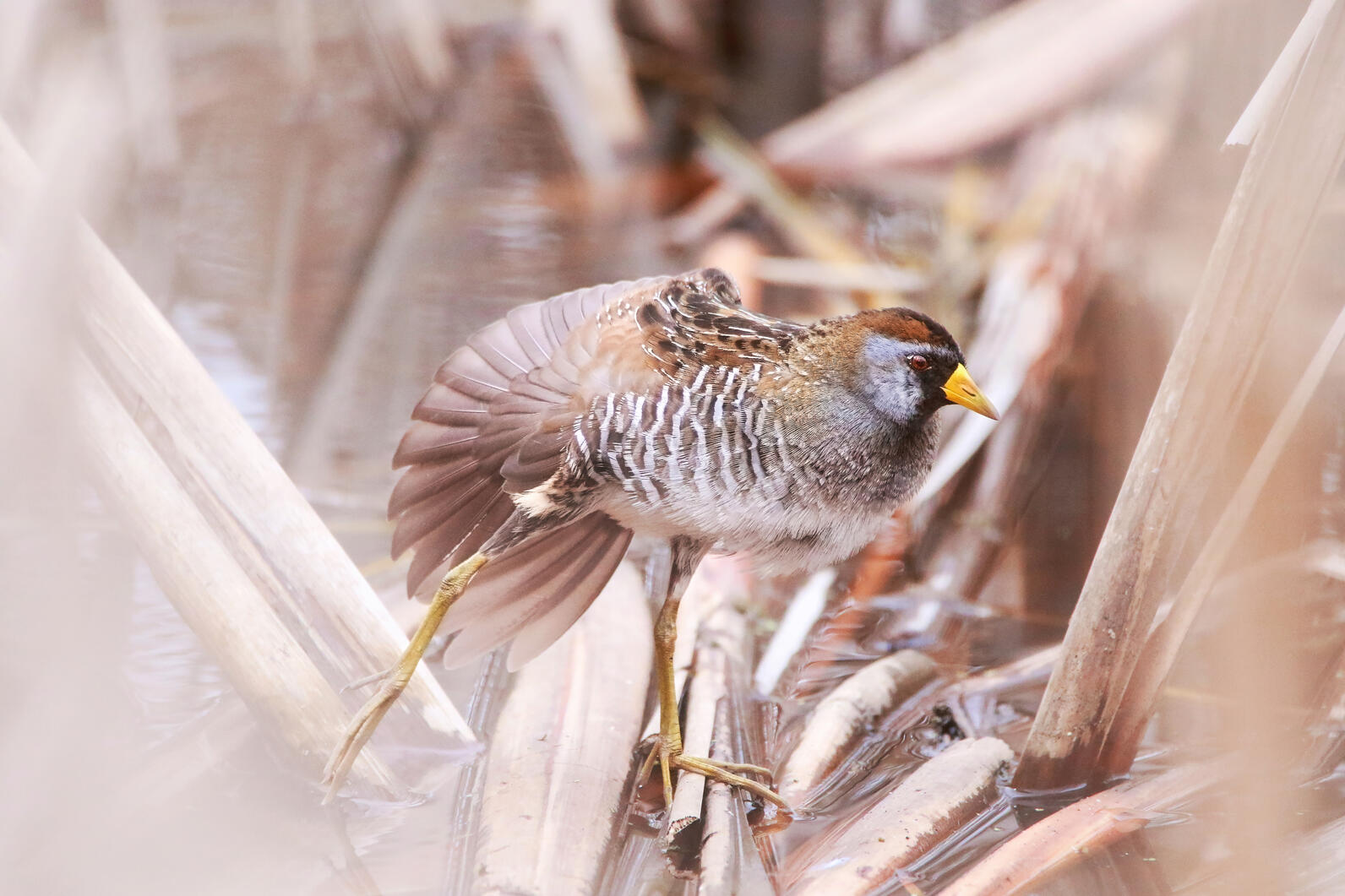
Sora
Latin: Porzana carolina

American Bittern
Latin: Botaurus lentiginosus

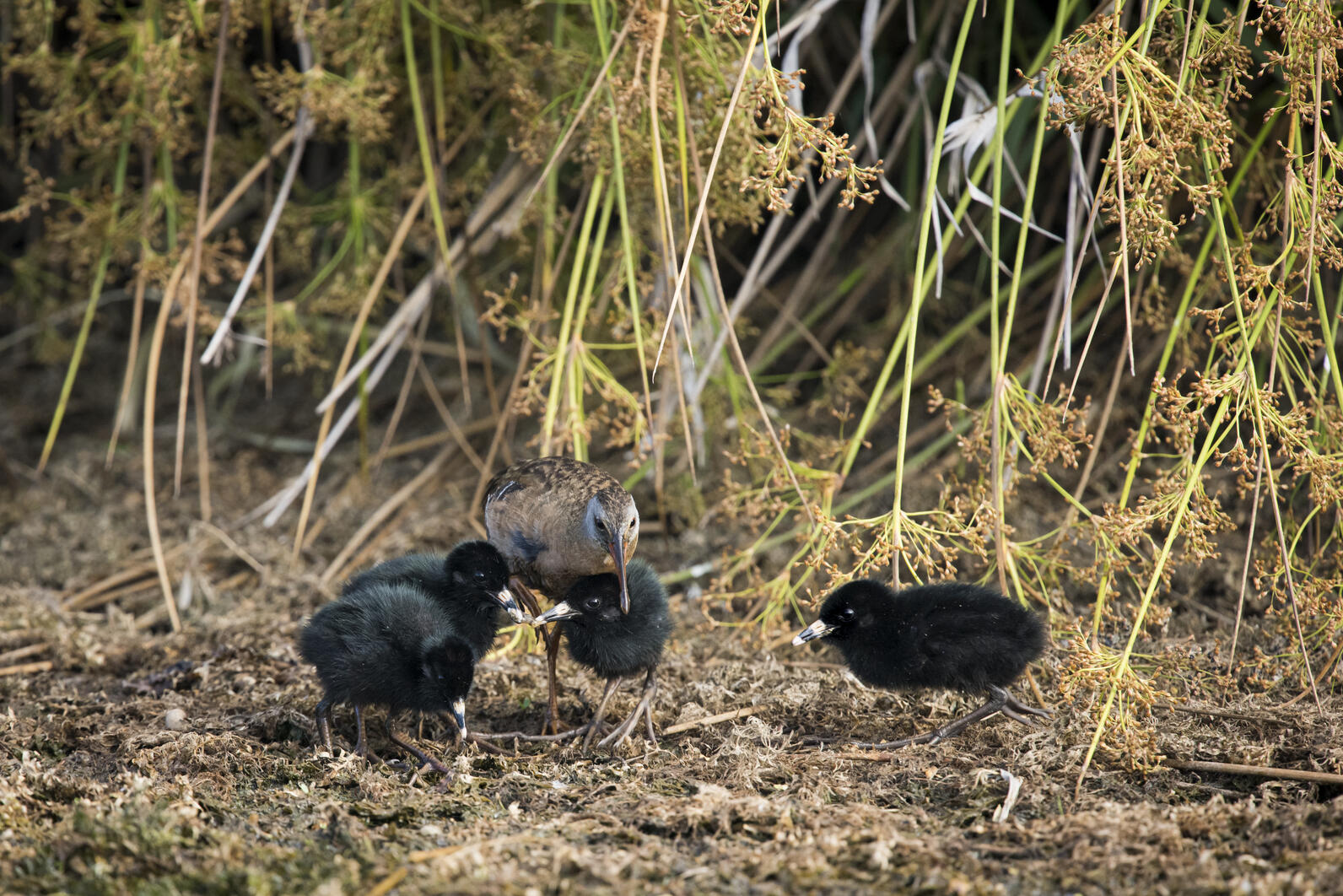
Virginia Rail
Latin: Rallus limicola

In 2017, after conversations sparked at a Pacific Birds Habitat Joint Venture meeting, Puget Sound Bird Observatory (PSBO) set out to solve a mystery: Why were some of the Pacific Northwest’s most iconic marsh birds—American Bittern, Sora, Virginia Rail, and others—so rarely detected in traditional bird surveys? Were they truly scarce, or simply slipping through the cracks?
To find out, PSBO began surveying a handful of wetlands in King and Snohomish Counties. What started small has since grown into one of the largest volunteer‑driven monitoring programs in the Pacific Northwest, now spanning more than 200 wetlands across 11 counties. At the heart of this effort is a dedicated community of volunteer field surveyors—birders of all experience levels who bring patience, curiosity, and deep care for the marsh.

Long‑term datasets like this are essential for understanding how bird populations change over time. They help scientists, conservationists, and land managers detect trends, identify threats, and shape conservation strategies that can determine whether species persist or decline. PSBO’s Wetland Secretive Bird Monitoring Program aims to provide both landscape‑scale trends and site‑specific insights for some of the region’s most elusive wetland birds.
To ensure scientific rigor, PSBO developed its survey approach using the Standardized North American Marsh Bird Monitoring Protocol (Conway 2011), with generous consultation from its author, Dr. Courtney Conway at the University of Idaho. Surveyors record each individual bird from the five focal species on separate datasheet lines, estimate distances with rangefinders, and document detections in one‑minute subsegments. These details allow analysts to estimate detection probability and produce robust population metrics. Each wetland is surveyed three times during the breeding season, once in each survey window.
This habitat‑specific approach is filling critical data gaps, and the growing dataset is already informing management strategies across the region.
PSBO volunteers receive extensive training in species identification, navigation, broadcast use, distance sampling, and accurate data recording. Their commitment is extraordinary—collectively contributing more than 2,000 hours of donated time each year. We are deeply grateful for their skill, integrity, and the depth of understanding they bring. Because birding is a passion, not an obligation, our volunteers offer a perspective grounded in relationship—with the birds, the wetlands, and the landscapes that sustain them.
PSBO’s work is rooted in sound science. Protocols are adapted from established monitoring methods and refined for the South Salish Sea region. Volunteers’ strict adherence to these protocols ensures that the data we collect and share with partners truly reflects field conditions. From the beginning, this project was designed to bridge community science with academic and agency research, strengthening the scientific foundation for conservation policy and action. We trust birders because they are principled observers, passionate about habitat protection, and attuned to the nuances of the natural world. Their way of knowing enriches the science and deepens our understanding of how birds are faring across our landscapes.
In 2025, all years of data were entered into the Avian Knowledge Network (United States) and will soon be mirrored in NatureCounts (Canada). Final quality review is underway, with analyses focused on:
- Quantifying population trends for wetland secretive birds across seven years and 200 monitored sites.
- Evaluating habitat associations and environmental drivers that influence presence, abundance, and detectability.
- Producing manager‑ready tools—summary reports, spatial products, and species‑habitat insights—to support decision‑making by land managers, agencies, and conservation partners.
PSBO is now recruiting volunteers for the 2026 season as we expand further into Grays Harbor and southwest Washington. Whether you’re a seasoned birder or simply marsh‑curious, volunteering as a wetland bird surveyor offers the chance to:
- Receive free training in avian monitoring techniques.
- Contribute directly to cutting‑edge conservation science.
- Explore hidden corners of the Pacific Northwest.
- Join a welcoming community of bird enthusiasts and conservationists.
Every survey adds a vital piece to the puzzle of wetland conservation. By lending their eyes and ears, volunteers help ensure these secretive species are not overlooked—and that they continue to thrive across our region’s wetlands.
For more information or to get involved, contact c_easterson@pugetsoundbirds.org.