Track the progress of Audubon Washington's priority bills below during the 2026 legislative session.
- Step 1: Join our ACTION NETWORK to receive weekly legislative update emails in your inbox with the key action that we need that week to pass this agenda.
- Step 2: Learn about our 2026 legislative priorities.
- Step 3: Support bills below by clicking "Take Action" in the "Status" column. We will update the column weekly throughout the legislative session with the most impactful action you can take to support that bill.
The following includes Audubon Washington's priorities and our shared Environmental Priorities Coalition (EPC) priorities. If there are bills you think we should be tracking, please let us know!
| PRIORITIES | POSITION | STATUS |
|---|---|---|
|
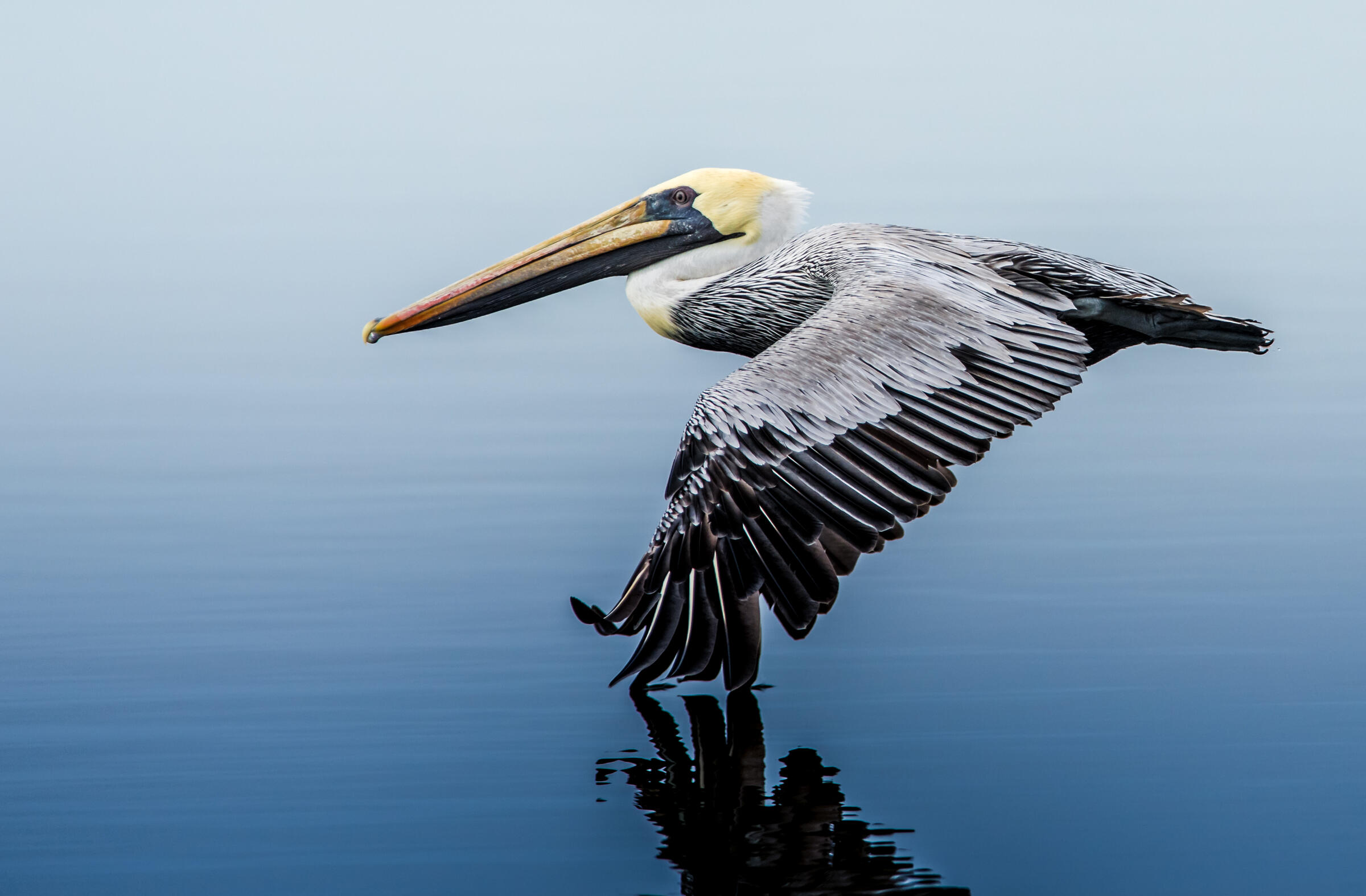
Lights Out & Bird-Friendly Buildings Lights Out and Bird-Friendly Buildings reduce unnecessary nighttime lighting to protect birds, lower energy use, cut emissions, and preserve dark skies --- Every year, billions of birds migrate north in the spring and south in the fall, the majority of them flying at night, navigating with the night sky. However, as they pass over big cities on their way, they can become disoriented by bright artificial lights and skyglow, often causing them to collide with buildings or windows. Artificial light at night is a leading cause of bird mortality and an unnecessary source of energy waste. Audubon Washington is supporting legislation that would promote Lights Out policies and bird-friendly building standards across the state. --- Legislation: SB 6272 |
Support |
Did not advance this session. |
|
Protecting Coastal and Marine Ecosystems Reducing environmental impacts associated with the operation of certain ocean-going vessels. --- Toxic contaminants in our marine waters build up through the food web and effect the health of local seabirds like Rhinoceros Auklets. Ships calling on Washington state ports are currently required to use low-sulfur fuels, yet many bypass this regulation by using cleaning systems known as scrubbers to clean the toxic contaminants out of their exhaust using seawater. More than 80% of scrubbers dump the polluted seawater back into the ocean and inland waters. This discharge contains heavy metals and other toxic contaminants that threaten water quality, public health, marine economies and fish and wildlife. Audubon Washington is supporting legislation that would close this loophole and reduce air and water pollution from ocean-going vessels and improve marine ecosystem health. |
Support |
Did not advance this session.
|
|
Climate and Clean Energy Infrastructure Improving reliability and capacity of the electric transmission system in Washington state. ---
Audubon’s 2023 report, Birds and Transmission: Building the Grid Birds Need, lays out why we need to rapidly upgrade the transmission grid to transition to a clean energy economy and avoid the worst impacts of climate change for birds and people. We understand the risks birds face from a rapid transmission build-out, but there are well-tested solutions that can be implemented to alleviate these. Audubon is supporting legislation first introduced in 2025 aimed at improving the capacity and reliability of Washington’s electric transmission system. |
Support |
---  Passed to Rules Committee for third reading on February 10.
Letter sent to Senate Committee by Audubon Washington. Last update: February 13
|
|
Removing Protections for Shrubsteppe Habitat in Urban Growth Areas. Concerning land use development when vegetation associated with shrubsteppe is present in the urban growth areas. ---
HB 2316 would carve out an exception in state law that effectively removes environmental protection for shrub-steppe vegetation within urban growth areas - treating native shrubs and grasses as irrelevant to wildlife conservation. Because shrub-steppe is already rare and ecologically important, removing these protections could accelerate habitat loss at the very edges of growing towns and cities, undermining broader efforts to conserve and restore this ecosystem across eastern Washington. --- Legislation: HB 2316 |
Oppose |
Did not advance this session.
|
|
Wildlife Connectivity Ensuring connectivity for Washington wildlife through safe passages. ---
This bill supports the implementation of Washington’s new Habitat Connectivity Action Plan, helping state agencies prioritize and build wildlife crossings, protect and restore movement corridors, and reduce costly wildlife‑vehicle collisions statewide. --- Legislation: SB 5203 |
Support |
Scheduled for public hearing on February 18 in the House Committee on Transportation at 4:00 PM. View the hearing Raise your voice in support of this bill: Send a comment in support to your legislator Sign up to testify in person or remotely at the hearing Last update: February 13
|
|
Budget Item: Sustaining Wildlife Conservation Through Stable Funding Short- and long-term funding solutions for WDFW. ---
Bird conservation depends on sustained investments in habitat management and wildlife research and monitoring, which is why are a long-time champion for the Washington Department of Fish and Wildlife (WDFW) budget. Audubon Washington is working with partners to explore long-term funding solutions for the Department that provide stability for wildlife management and habitat protection. As lawmakers grapple with a budget shortfall, proposed cuts would significantly reduce funding for WDFW, undermining conservation, public safety, and outdoor recreation across the state. Audubon is urging legislators to fully fund WDFW’s 2026 supplemental operating budget request, with particular attention to biodiversity, land stewardship, and enforcement. |
Support |
Raise your voice in support!  Letter sent to House Committee by Audubon Washington. Letter sent to Senate Committee by Audubon Washington. Last update: February 13 |
Environmental Priorities Coalition: 2026 Priorities
| PRIORITIES | POSITION | STATUS |
|---|---|---|
|
Bottles and Cans Recycling Refund Act Establishes a 10-cent refundable deposit on most beverage containers to reduce litter and increase recycling. --- Increasing our recycling rates is a win-win for birds and people. Reducing the amount of waste in our landfills is good for the planet and recycling also helps wildlife by reducing their risk of ingesting unsafe materials. Beverage containers are a major source of litter across Washington and only 30% of them are recycled. Bottle bills are an effective way to boost these rates - a refundable deposit on beverage containers promotes recycling, which in turn reduces waste and keeps plastics and aluminum out of habitats. |
Support |
Raise your voice in support!  Raise your voice in support of this bill:
Send a comment to your legislator
|
|
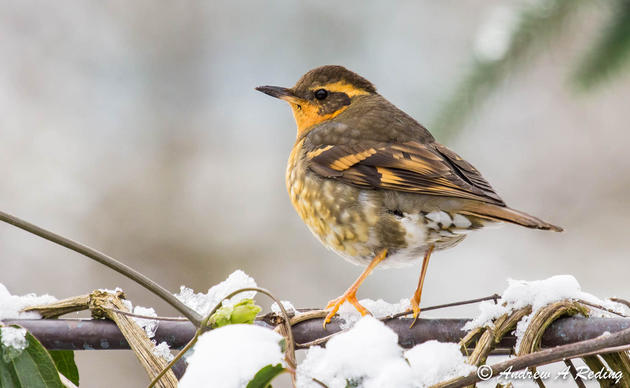
Budget Item: Protecting Climate and Environmental Health Funding Protect dedicated climate and environmental funding from cuts or diversions. --- With the state budget shortfall, dedicated climate and environmental funding sources are at risk. These investments represent a small share of the overall state budget, yet they deliver outsized benefits like cleaner air and water that benefit people and backyard birds like the Dark-eyed Juncos, lower energy bills, and create well-paying jobs. Audubon Washington is working with EPC partners to ensure climate and environmental funds are used for their intended purposes: reducing pollution and protecting communities. |
Support | Learn more |
|
Budget Item: Restoring Wildfire Resilience Funding Restore full funding to the Wildfire Response, Forest Restoration, and Community Resilience Account. --- Wildfire is a natural part of our landscape, but increasingly large and severe fires are not. Washington’s investments in wildfire resilience are working to improve forest health, bolster support for firefighters, and invest in more prepared communities. However, recent budget cuts have reduced the Legislature’s prior funding commitment, threatening to reverse progress even now as wildfire risk grows. Audubon Washington supports restoring full funding to ensure forests, habitat, and communities remain resilient. |
Support |
Coalition letter of support sent to State House and Senate Operating Budget Leaders. |
How you can help, right now
Be the Voice for Birds
Decision makers need to hear from you. Sign up for Audubon Washington's Action Alerts and you will have an opportunity to weigh in on proposals that impact birds.
Get Involved
Birds need YOU! Get involved in helping to preserve our birds and their habitats today. There is something for everyone!
Take Action on Climate Change
Does your decision maker know that climate change is number one threat to birds? Ask for their help to protect the birds, the places, and the planet we love.